Nipping is normal for puppies, and most families see it ease off within weeks once they interrupt the bite, redirect to a toy, and reward calm behavior — consistently. The hard part is not knowing the steps for how to stop a puppy from biting; it is doing the same three things every single time, including when you are tired and the pup is grabbing your ankles at 7pm. This guide walks through seven steps, the mistakes that keep the habit alive, and the signs that it is time to call in a professional.
Table of Contents
- 1What You Need
- 2Step-by-Step
- 3Step 1: Stay Calm and Redirect the First Bite
- 4Step 2: Use a Clear No Bite Cue
- 5Step 3: Reward Contact With Hands
- 6Step 4: Replace Nipping With Appropriate Play
- 7Step 5: Practice Short, Successful Sessions
- 8Step 6: Manage Excited Situations
- 9Step 7: Stay Consistent With the Whole Household
- 10Common Mistakes
- 11Frequently Asked Questions
- 12Why is my puppy biting my hands when I play?
- 13Is it normal for a puppy to bite during play?
- 14Should I yell or say no when my puppy bites?
- 15How can I stop a puppy from biting when it is excited?
- 16What toys help teach a puppy not to bite hands?
- 17When should I contact a veterinarian or dog trainer about puppy biting?
- 18Conclusion
What You Need
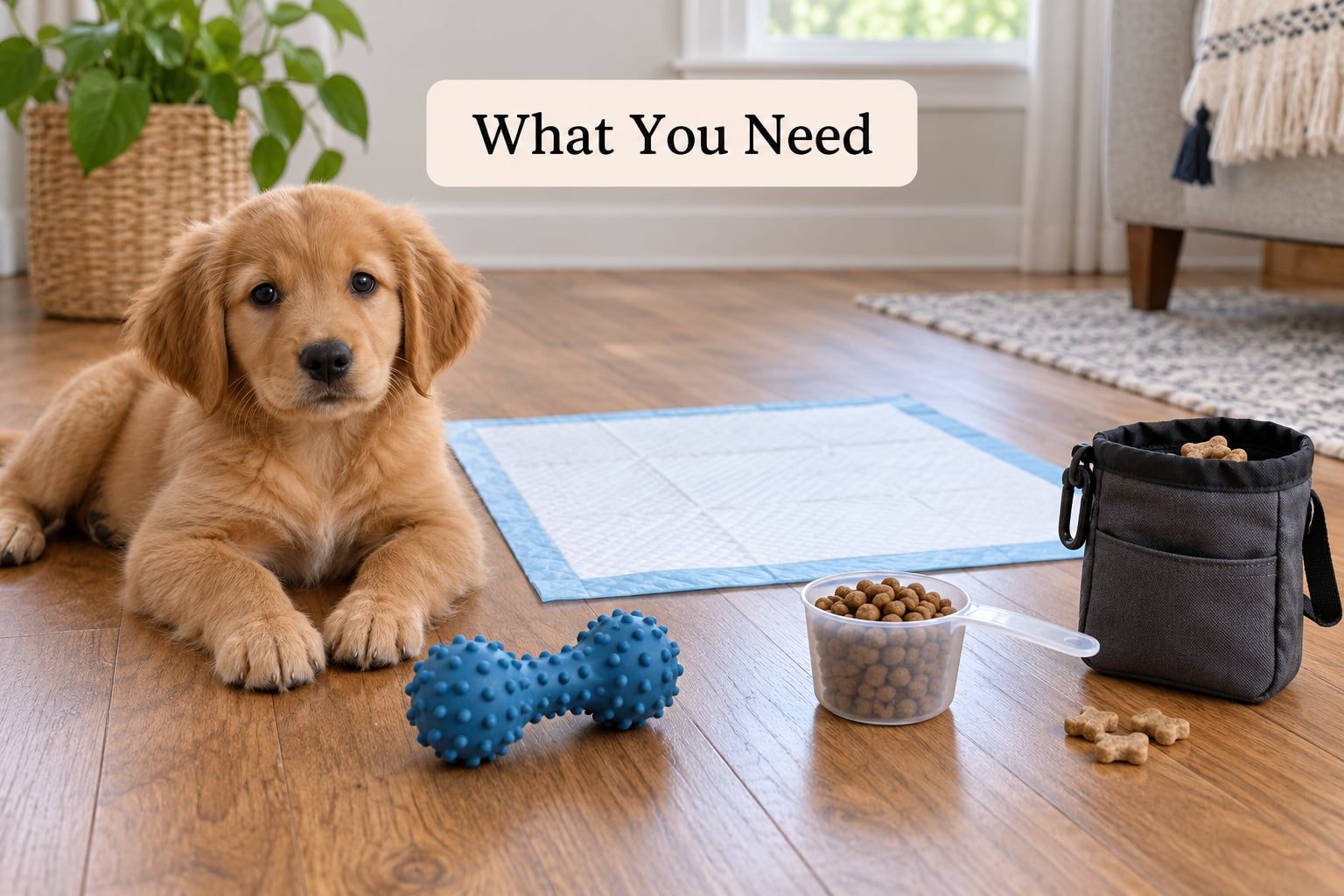
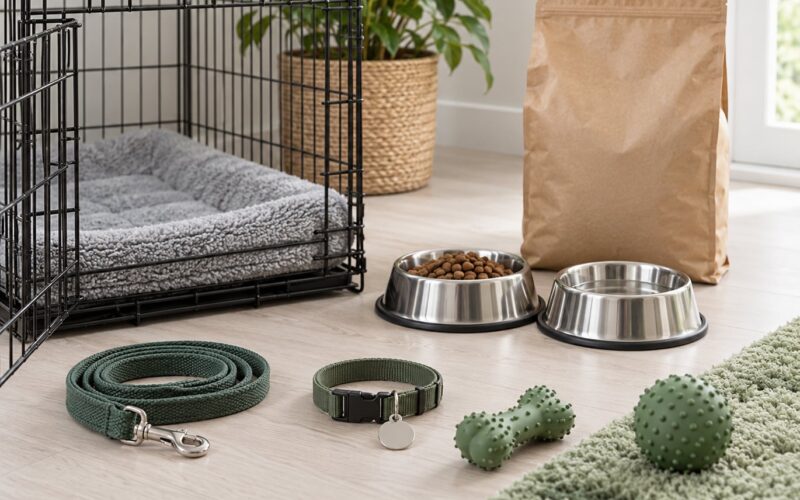
Most of this costs nothing beyond the puppy you already own. You need somewhere calm to work, two or three small training treats, and a toy that your puppy can legally grab. Everything else is a small addition once the basics click.
- Treats: tiny, soft, and high value. Cut-up training treats, dried fish, or small cheese cubes work because they disappear in a second and keep the puppy focused on you rather than the treat.
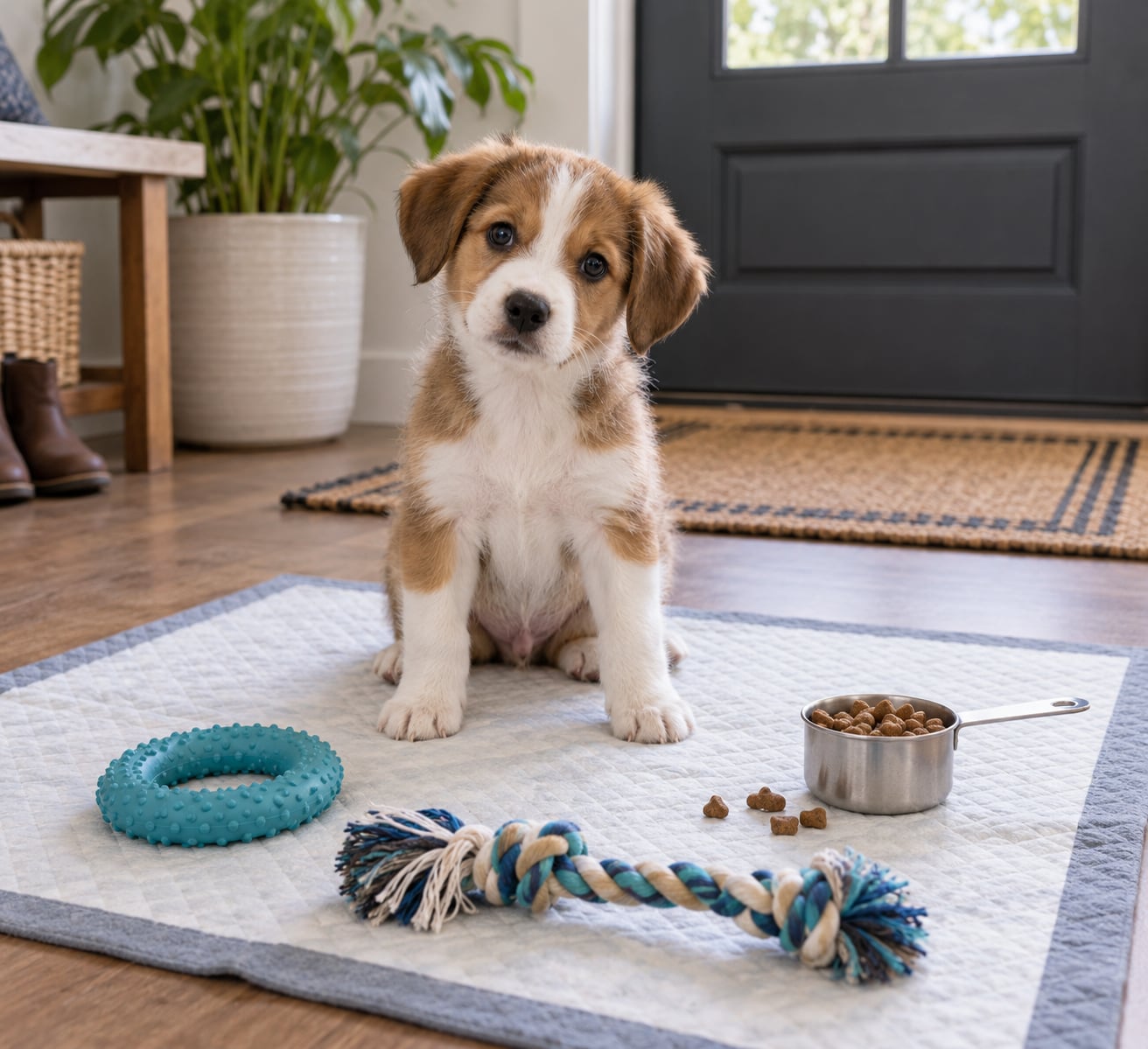
- A toy sized for your puppy: a soft rubber teething ring or a knotted rope toy for tug. Skip very hard bone-shaped and nylon chews during teething, since puppies can fracture a tooth or choke on a fragment.
- A washable mat or rug: this is the spot where the puppy learns that calm contact with hands pays off, and it gives you a place to send your puppy when things get loud.
- A gate, pen, or baby gate: used for enforced naps and for stepping away after a timeout, not as a punishment locker.
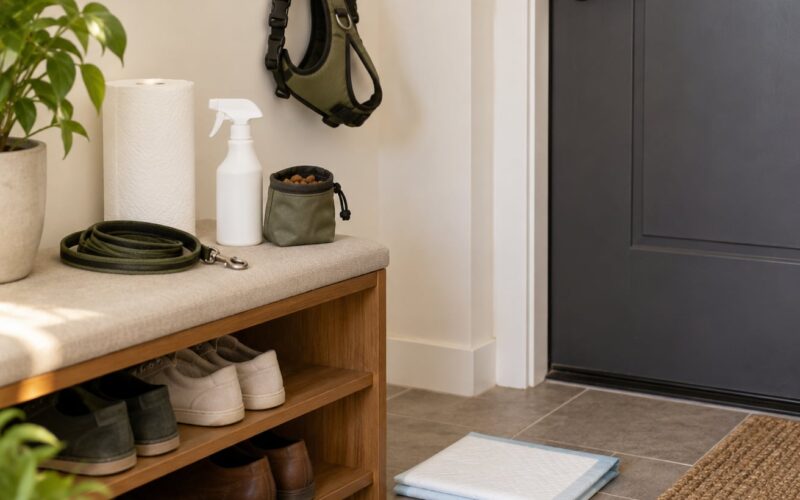
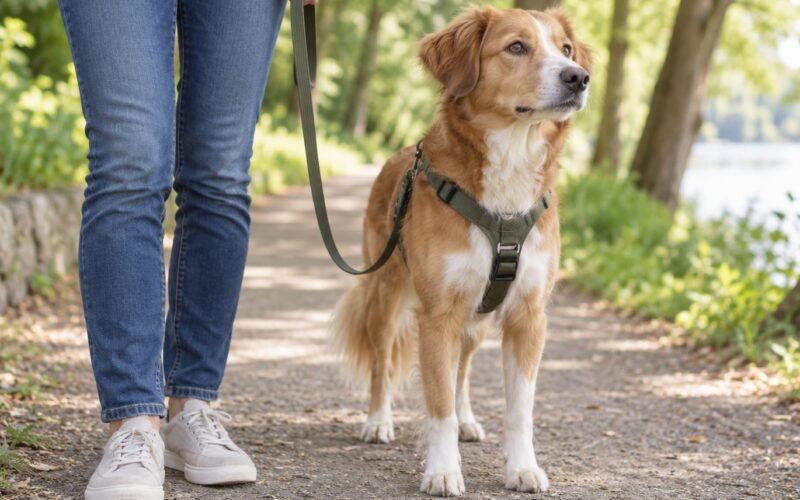
- A leash and a well-fitting harness: leash biting and greetings happen before your puppy can choose to stop, and you need control in those moments.
- A quiet time of day: train right after a nap or just before a meal, when the puppy is hungry and alert but not overtired.
- A notebook or phone note: a few lines on what you worked on and whether it went well beats relying on memory three weeks later.
Step-by-Step
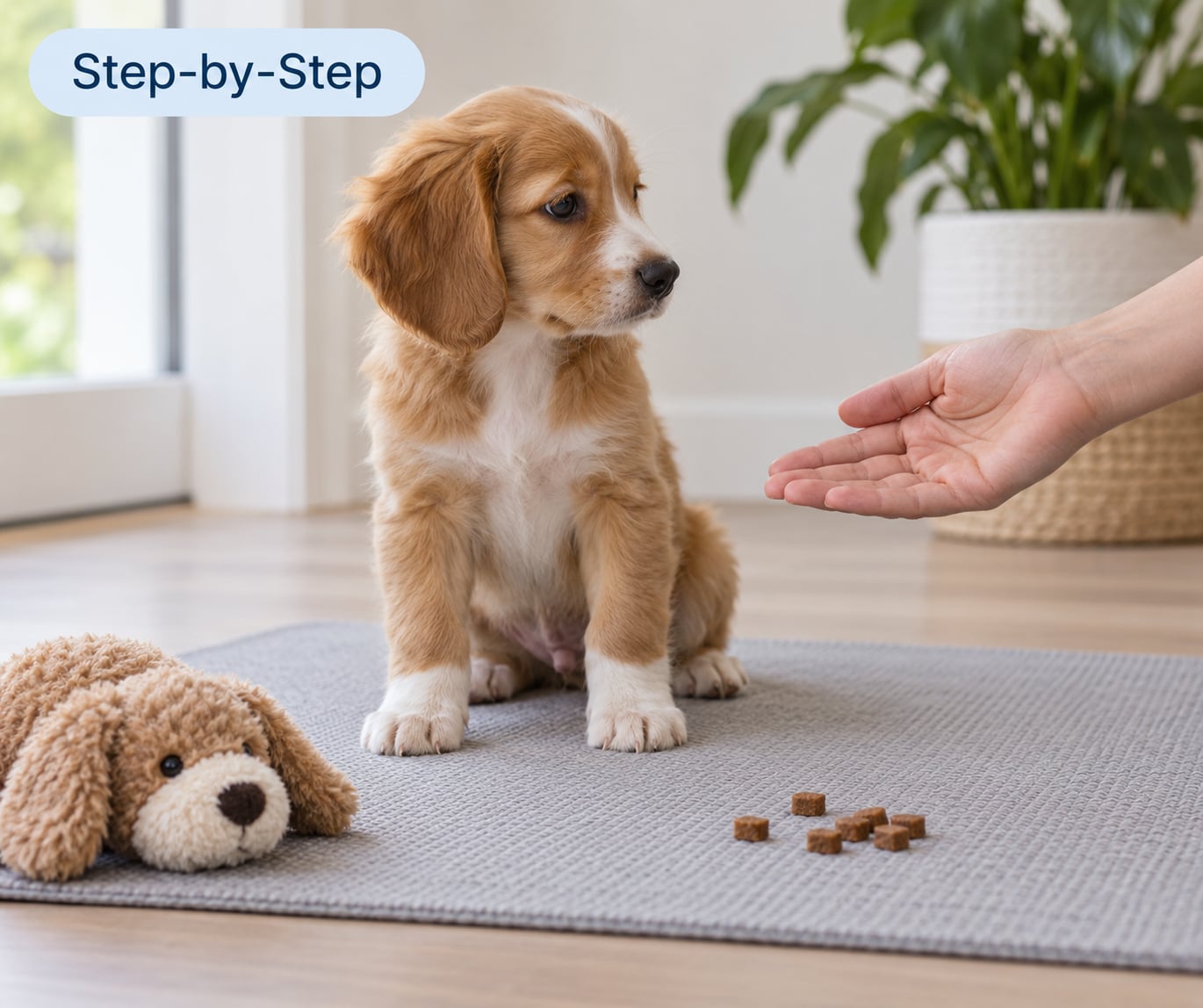
Seven steps, in order. Work through them across a few days rather than expecting a full transformation on a Tuesday afternoon.
Step 1: Stay Calm and Redirect the First Bite
The first bite you handle decides a lot, so handle it well. When teeth hit skin, stop moving your hands, keep your voice flat, and freeze for a beat rather than yelping, pushing, or pulling away, because a flailing hand reads as a game.
Then hand over a toy. This is negative punishment: play ends the moment teeth touch skin, so the puppy learns that gentle contact keeps the fun going and hard nipping shuts it down. You will know it is working when the mouth softens within days and the puppy starts opening up gently instead of clamping.
Step 2: Use a Clear No Bite Cue
Pick one short phrase — “no bite,” “gently,” or “careful” — and never swap words. Owners who alternate between three cues end up with a puppy who has learned none of them.
Say the cue once, calmly, then pause for a second of silence, then offer the toy. The pause is the whole trick: it breaks the momentum and hands the puppy a decision point. A one-second pause before the redirection, repeated, is what gets a puppy to stop mid-nip instead of finishing the bite first.
Step 3: Reward Contact With Hands
Your hands should be the most valuable objects in the room, and the fastest way to learn how to stop a puppy from biting hands is to pay for the opposite behavior. Present a flat palm, wait for a nose touch or a paw rest, then deliver a treat from the other hand.
Delivering from the other hand matters. Every time the treat travels from your fingers to your puppy’s mouth, you are teaching a chomp. Over a few sessions, add soft mouth contact: let your puppy rest its open mouth on your palm, freeze if teeth touch skin, and praise the moment the pressure eases.
Step 4: Replace Nipping With Appropriate Play
Most hand biting is a play problem, not a discipline problem, so change the physical setup. A flirt stick or long tug toy moves the toy away from your body and gives your puppy something to grab with two paws instead of your sleeve.
Rewarding engagement with the toy is what makes the swap stick. Skip the toy, and your puppy learns that hands are the only interesting object in the room. Outdoors, a stick-tossing game also gives your puppy an outlet for the sprint-and-grab behavior that drives ankle biting.
Step 5: Practice Short, Successful Sessions
Two or three minutes, three to five successful reps, done while the puppy is still eager. Ending on a win matters more than volume, and an over-tired puppy cannot learn.
If biting suddenly gets worse before it gets better, that is not failure. It is an extinction burst, the temporary surge a puppy throws when the old behavior stops paying off, and it usually passes in a few days once you hold the new rule steady. Reduce the difficulty rather than the standard: go back to Step 1’s simple redirect until it feels boring again.
Step 6: Manage Excited Situations
Most biting happens when a puppy is over threshold: greetings at the door, food preparation, leash walks, visitors, or the noisy hour before bed. You cannot train a puppy who has already lost the ability to think, so manage distance first.
Put the puppy on a leash, place it on a mat, or send it to a pen with a chew before the trigger starts. For the evening window, enforce naps on a schedule; most puppies need 18 to 20 hours of sleep a day, and a well-rested puppy has far less to say with its mouth.
Step 7: Stay Consistent With the Whole Household
Biting rarely improves when one person allows it. Agree on one cue, one consequence, and one timeout spot, then brief every adult and every child who handles the puppy.
Write down progress and expect a rough timeline: hardest around 3 to 5 months, noticeably better by 5 to 6 months, mostly resolved as adult teeth come in around 7 months. Playgroups with vaccinated puppies of similar size teach gentle mouth pressure faster than most owners can, and older calm dogs in the home often correct a nipping puppy with a single calm growl you should not discourage.
Call a veterinarian or a certified trainer if bites are breaking skin, hardening as the puppy gets older, coming with growling, freezing, a hard stare, or lip lifting, or if the puppy guards food, chews, or a particular person. A veterinary behaviorist is the right call for any fear-based biting.
Common Mistakes
Almost every counterproductive response has a gentle replacement that takes less effort.
- Yelping or shouting: a sharp “ow” often escalates play biting, because an excited puppy reads noise as participation. Replace it with silence plus a pause; owners on puppy forums repeatedly report silence working better than vocal corrections.
- Tapping the nose: it teaches fear and hand avoidance, not mouth manners, and can turn a normal play bite into a defensive one. Replace it with stepping away and ignoring.
- Pinning, grabbing the collar, or holding the puppy down: physical restraint usually produces more struggling and harder biting. Replace it with walking away and returning once the puppy is quiet.
- Roughhousing: wrestling teaches that biting is fun and hands are fair game. Replace it with structured toy play where your hands never enter the mouth game.
- Answering a growl with attention: barking back or playing through growling rewards the behavior. Replace it with a short pause, a treat for quiet, and a note to mention that growl to a trainer.
- Using the crate as a timeout: puppies who get sent to the crate for biting start to dislike the crate. Replace it with a mat, a pen for naps, or simply leaving the room.
- Inconsistent rules across the household: the single biggest predictor of slow progress. Fix it with a written cue list everyone follows, and never reward barking or biting for attention, even once.
If your puppy is only targeting one person, that is usually the person who gives in most often, so redirect your energy there first rather than assuming the puppy has favorites.
Frequently Asked Questions
Why is my puppy biting my hands when I play?
Because play is the main activity a puppy has, and the mouth is the tool it uses for everything. Rough, wiggly play excites your puppy past the point where it can be gentle, so the nipping is excitement rather than aggression. Moving the toy away from your body with a flirt stick or long tug rope, keeping sessions short, and freezing the instant teeth touch skin all bring the arousal back down.
Is it normal for a puppy to bite during play?
Yes. Mouthing and play nipping are normal developmental behavior from around 3 to 4 weeks of age, and they usually peak between 3 and 5 months. What matters is pressure: a puppy that has learned bite inhibition will clamp down hard and then soften, while one that has not may hurt without meaning to. Teaching gentle contact early prevents that second outcome.
Should I yell or say no when my puppy bites?
Skip the yelling. A sharp cry often reads as participation and can send an already excited puppy further over the edge, and tapping the nose on the pile teaches fear and hand avoidance instead of manners. Use a flat voice, one consistent cue such as no bite, a one-second pause, then a toy. Calm silence does more work than volume.
How can I stop a puppy from biting when it is excited?
You cannot reason with a puppy that is already over threshold, so manage distance before you manage behavior. Leash the puppy before guests arrive, keep a mat or pen ready, feed meals away from small children, and put the puppy in a pen with a chew for the noisy hour before bed. Enforced naps help more than people expect, since most puppies need 18 to 20 hours of sleep a day.
What toys help teach a puppy not to bite hands?
Choose toys that move away from your body and cannot be mistaken for fingers: a flirt stick, a long tug rope, a soft rubber teething ring, or a frozen washcloth knotted into a knot. Avoid very hard bone and nylon chews during teething, and skip toys with small parts. The important part is not the toy but rewarding your puppy for engaging with the toy instead of your hand.
When should I contact a veterinarian or dog trainer about puppy biting?
Reach out if bites break skin, get harder rather than softer as the puppy grows, or come with growling, freezing, a hard stare, or lip lifting. Biting that targets one person, guards food or toys, or does not improve after a few weeks of consistent redirection also deserves a call. For fear-based biting, ask your vet for a referral to a veterinary behaviorist.
Conclusion
Start with one priority: interrupt the bite, redirect to a toy, reward calm contact, and keep the plan identical for everyone in the house. The puppy does not need a complicated method, just a predictable one delivered by a calm person several times a day.
Watch the pressure, not just the frequency. Once the biting softens to a gentle mouth and holds steady for a few weeks, the phase is genuinely fading rather than being suppressed.