First, check for a real threat before you touch anything. If the house looks normal, disarm the panel with your code, then call your monitoring company right away and give them your verification passcode. Only the monitoring company can cancel a police dispatch, and silencing the siren at the keypad does not cancel the signal.
That single distinction trips up most people. The panel keeps reporting until someone tells the central station to stand down, and the operators at most monitoring centres cannot cancel anything until they hear the right word from an authorized contact. Last updated: October 2026.
Right now, in order:
- Look for smoke, fire, broken glass or an intruder before assuming anything.
- Walk to the control panel and read the zone and message on the display.
- Enter your disarm code, or disarm in the app if your system supports it.
- Call the monitoring number on your paperwork or the panel sticker.
- Give the operator your name, passcode, and a clear line that there is no emergency.
- Ask them to cancel the dispatch, then ask them to confirm the alarm is cleared.
Table of Contents
- 1What You Need
- 2Step-by-Step: What to Do If Your Home Alarm Goes Off Accidentally
- 31. Stay calm and identify the alarm source
- 42. Check for immediate signs of danger
- 53. Check protected doors, windows, and entry points
- 64. Contact the alarm monitoring company
- 75. Reset the alarm using the correct code or app command
- 86. Confirm the system is disarmed and secure
- 97. Prevent the accidental alarm from happening again
- 10Common Mistakes
- 11Frequently Asked Questions
- 12Should I call the police if my home alarm goes off accidentally?
- 13Why did my house alarm go off in the middle of the night with nobody breaking in?
- 14Do I get fined for a false alarm?
- 15Can I replace the alarm battery myself, and what should I do after a power outage?
- 16What if the alarm goes off while I am away or a guest is home?
- 17Conclusion
What You Need
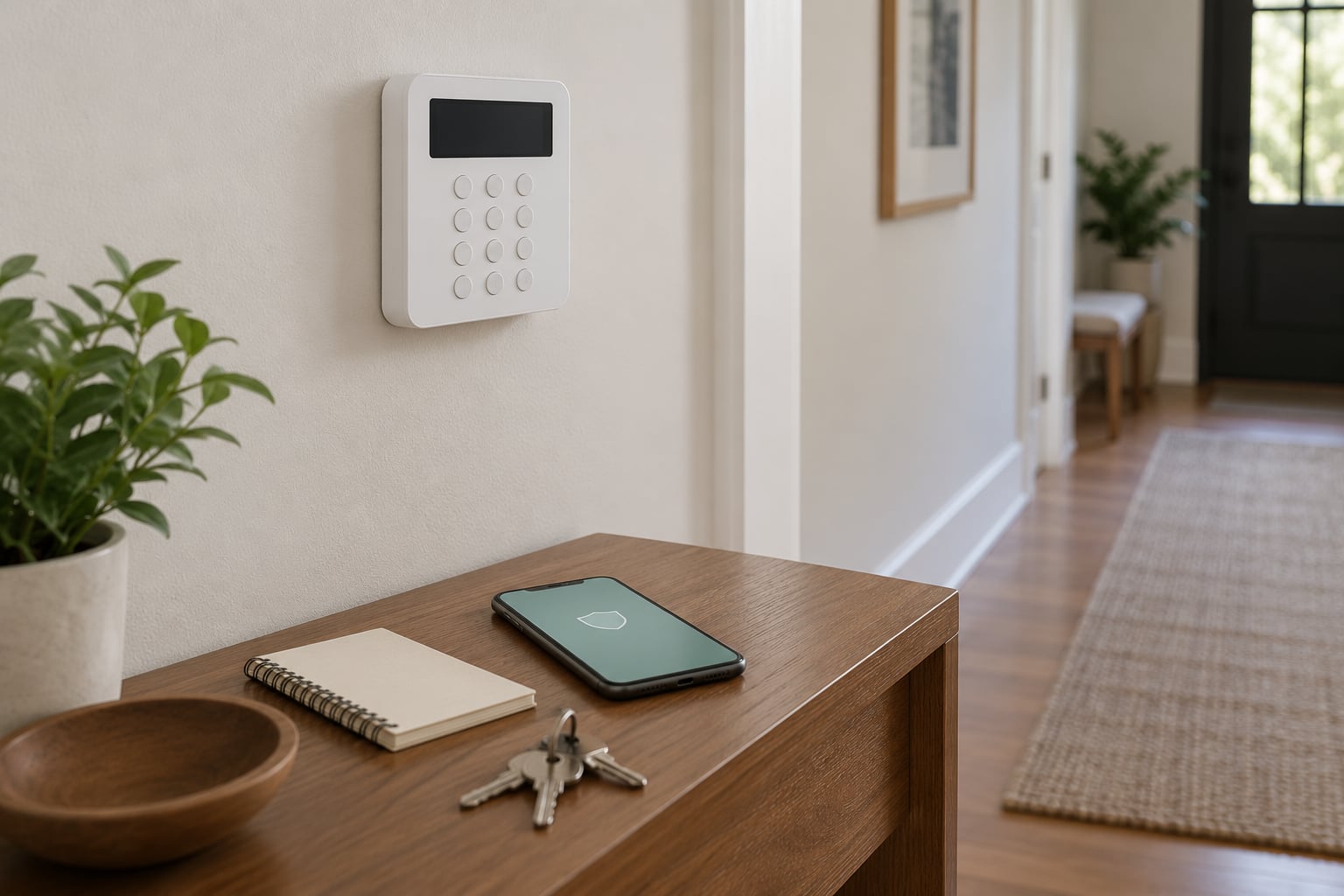
You need access to the control panel, usually a keypad by the front door or in the garage. You need your disarm code, and you need your monitoring company’s after-hours number, which is usually different from the sales line on your original paperwork.
You also need your verification passcode, sometimes called a verbal passcode or a duress word. This is the word the operator asks for to confirm the person on the phone is really you and not a burglar trying to call off a response.
A charged phone matters more than people expect. If the system has a cellular backup, the panel may still be transmitting after you have silenced it at home, and the monitoring centre will start calling your listed contacts. Homeownership forums fill up with people who silenced the alarm, ignored the follow-up calls, and only worked out the passcode once the police were already on the street.
Finally, walk to the doors and windows the system protects. Most accidental activations come from something you can see in about thirty seconds.
Step-by-Step: What to Do If Your Home Alarm Goes Off Accidentally
1. Stay calm and identify the alarm source
Check what the panel is actually reporting before you disarm anything. A burglar alarm typically shows a zone number or an entry or exit door. A fire system gives off a different pattern, and a carbon monoxide detector has its own alarm pattern and voice announcement.
Many panels also speak or display the type of alarm. If the sound is the steady two-tone pulse of a smoke detector rather than the rising wail of a security siren, treat it as a life safety event, not a nuisance alarm.
2. Check for immediate signs of danger
Look for smoke near the ceiling, heat, a burning smell, gas odor, water coming from somewhere overhead, or broken glass. If you smell gas, do not operate switches or use the phone inside the house. Leave and call from outside.
If there is any doubt about fire, smoke or gas, get out, close the door behind you and call 911 from a safe distance. A false alarm you are wrong about is far more expensive than a fire department visit you did not need.
3. Check protected doors, windows, and entry points
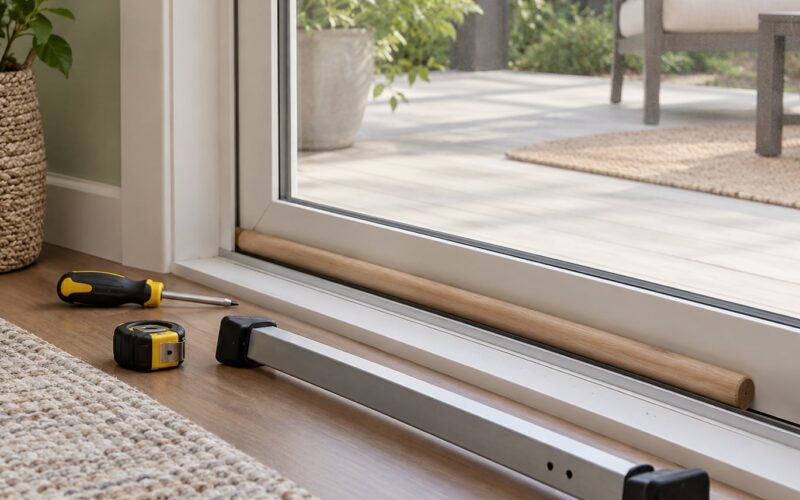
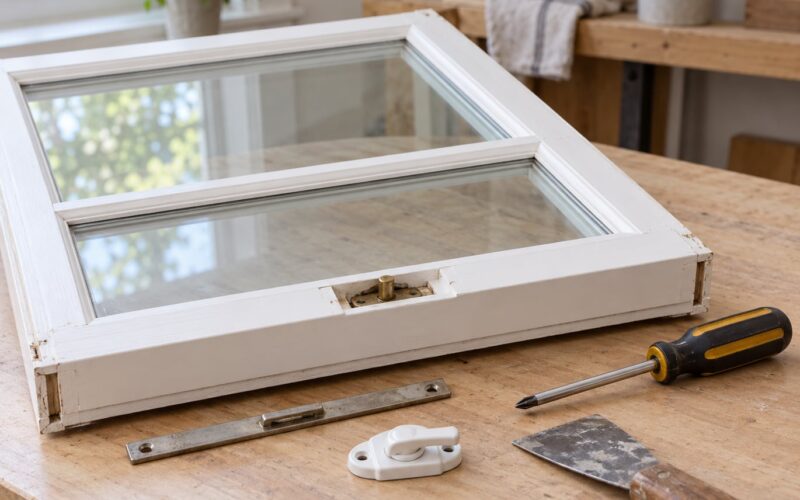
Walk the ground floor and look at every contact the system monitors. A back door that did not latch fully, a window cracked open for air, a sliding door lifted slightly off its track, or a storm door propped with a brick will all trip a contact.
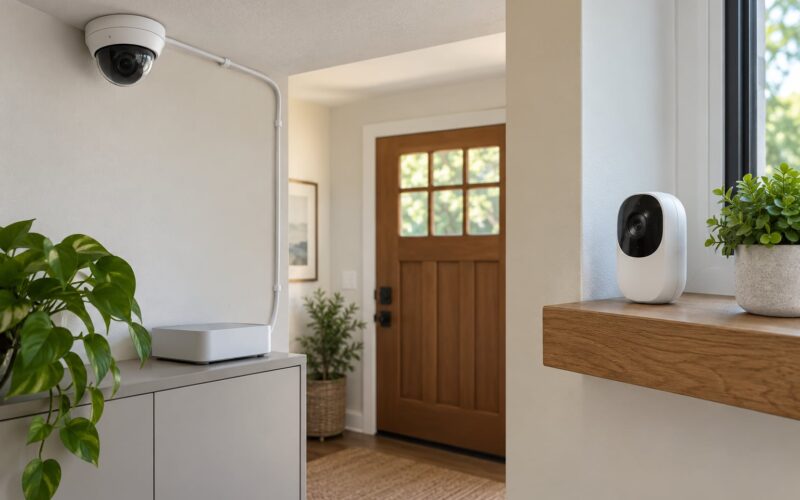
On wireless systems, look for a sensor pulled loose or knocked askew, a device with a blinking light, or one that has slipped off its mounting. Do not open a locked panel, remove a cover or re-seat a sensor while the system is live. If a device looks damaged, leave it and note it instead.
4. Contact the alarm monitoring company
Call before you try to fix anything else. The operator will typically ask for your name, your account or passcode, what type of alarm fired, the zone that triggered, whether you are inside the home, and whether anyone may be hurt.
Here is the order that works: identify yourself, give the passcode, state plainly that there is no intruder and no fire, and ask them to cancel the dispatch. Then ask them to tell you the event is cleared before you hang up. If the signal already reached the police, ask the operator to try to cancel it with them directly.
One warning: never give a duress code to cancel a false alarm. A duress code tells the monitoring centre a person inside the home is under threat and triggers police without a phone call. Use the separate verification word your monitoring company gave you.
5. Reset the alarm using the correct code or app command
Enter your disarm code slowly and check the display. Do not guess. Repeated wrong entries can lock the panel and leave you with no way to disarm it until the lockout clears.
If the system is still sounding, switch the AC power off at the outlet or breaker for about thirty seconds and power it back on, then enter the code. On wireless devices, replace the sensor battery, not the panel battery, unless the panel itself is chirping. Many current systems let you disarm in the app, which also logs a clean disarm event that helps the central station treat the alarm as a user cancel.
6. Confirm the system is disarmed and secure
Look for the ready or disarmed indicator, and check that the siren is silent. Walk the contacts again and make sure nothing is still open. Some panels show a bypass or an in-service state after a reset, which means part of the house is unprotected and the monitoring centre has been notified.
Check the app history for the event timestamp and make sure the arming state matches what you actually want. If the panel shows a trouble condition such as tamper, lost or supervisory, or a low battery, do not leave it that way. The system may be partly disarmed and the fault may cause another activation overnight.
7. Prevent the accidental alarm from happening again
Replace batteries on the schedule in your manual rather than waiting for a chirp. A low battery fault is one of the most common reasons a system reports an alarm nobody caused.
Walk your motion detectors and look for the usual suspects: a curtain blowing across a hallway sensor, a shelf of warm electronics in a garage, a loose ceiling tile, an insect nest, a new appliance humming where a sensor can hear it. Pet owners should adjust the detector’s sensitivity or swap it for a pet-tolerant model rather than leaving the zone bypassed.
Give a dog walker, sitter, contractor or guest their own temporary code, and delete it when the visit ends. Give the monitoring company an accurate contact list, and tell them whenever codes change, so they call the right person first when the panel trips. Finally, book a service visit if the fault is one you cannot clear yourself.
Common Mistakes
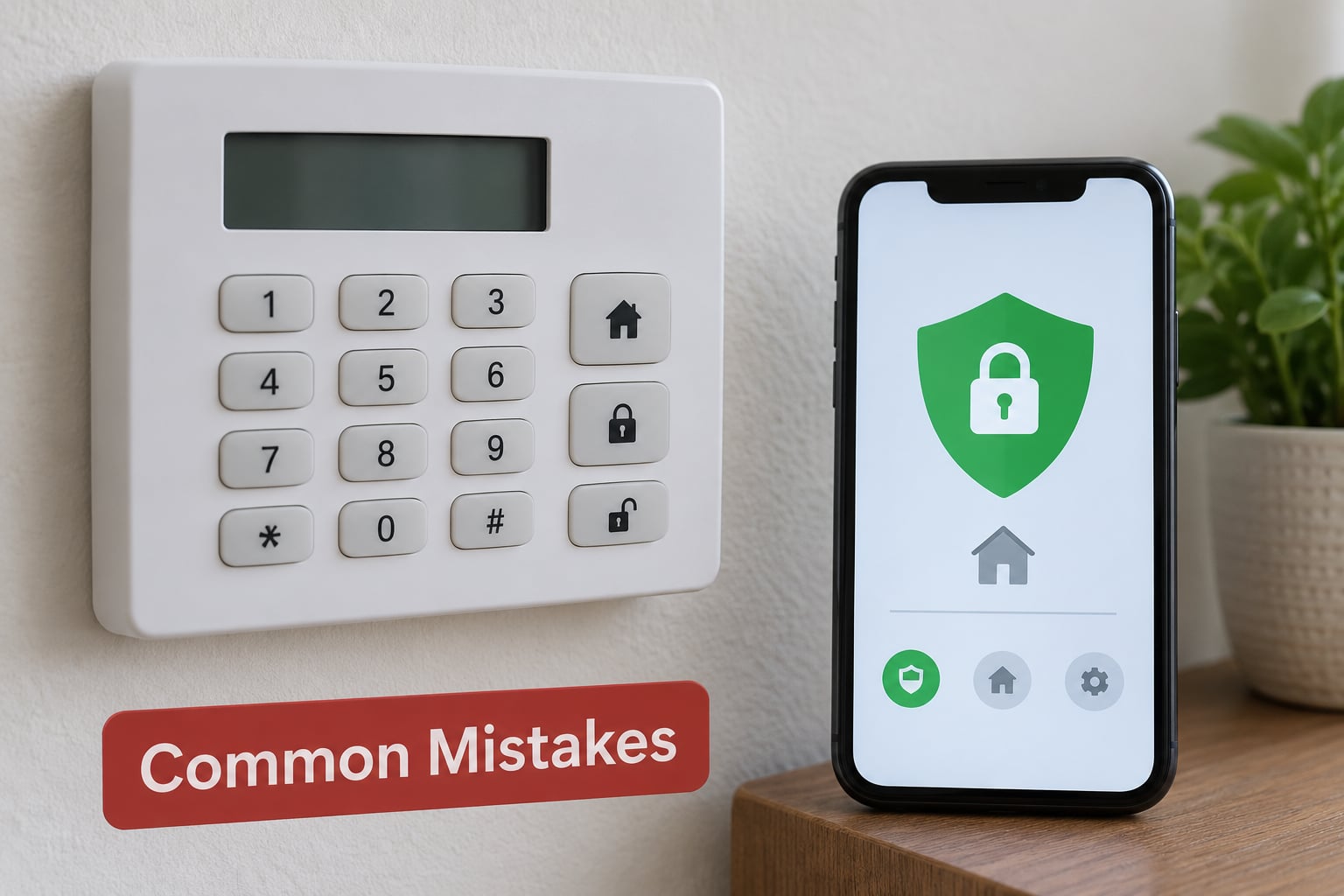
Silencing the panel and stopping there. The siren stops, but the event has already been transmitted. Call the monitoring company, because only they can cancel a dispatch.
Waiting to see if it stops on its own. Burglary alarms usually run for the full cycle, often several minutes, and then re-trigger if a zone is still open. Every minute you wait is a minute the central station is working down its call list.
Guessing the disarm code or forcing a locked panel. A handful of wrong entries locks many panels. Read the code off the paperwork or the app, and if a cover is secured with screws, leave it alone.
Pulling wires or swapping sensors mid-alarm. That can leave the zone bypassed and the house unprotected, and it may look like tampering on the account history.
Ignoring repeat activations. Many municipalities use an alarm permit that allows a set number of accidental activations per permit period, and fees or a warning can follow once you pass that number. Local rules vary widely, so your city or county ordinance is the one that counts.
Telling yourself it is definitely false and going back to bed. If you never confirmed the contacts and the panel status, you do not actually know. Two minutes of checking beats a morning spent explaining a siren to your neighbours.
Frequently Asked Questions
Should I call the police if my home alarm goes off accidentally?
Usually no, because your monitoring company is the one that requests the response. Confirm the house is clear, disarm the panel, then call the monitoring company and ask them to cancel the dispatch. If you cannot reach them, or you see signs of a break-in or fire, call 911 yourself. Let the officer know at the door that the alarm was triggered accidentally so the department can log it that way.
Why did my house alarm go off in the middle of the night with nobody breaking in?
Overnight activations usually come from a low battery fault, a contact on a door that shifted as the house cooled overnight, a motion sensor picking up a curtain or a hot appliance, a glass break sensor reacting to an early-morning noise, or a power cut that dropped the panel and brought it back on in an alarmed state. Check the panel log first, since it usually names the zone, then inspect that exact spot.
Do I get fined for a false alarm?
It depends entirely on your city. Many municipalities require an alarm permit and allow a limited number of free false activations per permit period, after which a fee or a police warning can follow. Some places have no fee at all. Your monitoring company will usually tell you when a dispatch has been logged, and your city clerk or police non-emergency line can confirm the local rule before you ever need to know.
Can I replace the alarm battery myself, and what should I do after a power outage?
Yes for wireless sensors, using the battery type listed in your manual, and you should power the panel down briefly before swapping its backup battery. After an outage, most systems come back armed or in a trouble state, so check the display, confirm the status reads ready or disarmed, clear any AC loss message, and replace or test the backup battery. If the panel keeps reporting a fault, call your installer.
What if the alarm goes off while I am away or a guest is home?
Your monitoring company follows its call list until someone gives the passcode, so make sure the people staying in the house have the disarm code, the passcode, and the monitoring number. For longer absences, keep the contact list current and leave the panel status check on your phone. If a guest cannot reach you, the alarm will be verified and dispatched like any other activation.
Conclusion
What to do if your home alarm goes off accidentally comes down to three things: confirm there is no real danger, disarm the panel properly, and call your monitoring company with your verification passcode before anything else. That sequence takes a few minutes and it is the difference between a quiet night and an armed response at your door.
Before you need any of it, write the monitoring number, your disarm code and your passcode on the same card and put it somewhere you can find while panicked. Then replace the batteries, check the sensors, and make sure everyone in the house knows what to do.