A fender bender is usually a 20-minute job on the roadside and a two-week job with the insurer. Photograph everything, exchange information, tell your carrier within a day, and file a claim only when the repair estimate clears your deductible by a real margin.
Knowing how to deal with insurance after a fender bender comes down to which parts of the process are negotiable and which are fixed. This guide walks through what to gather, what to say on the phone, and the arithmetic that tells you whether a claim is even worth opening. Rules and deadlines differ by state, so treat the numbers below as working guidance rather than legal or financial advice.
Table of Contents
- 1What You Need
- 2Step-by-Step: How to Deal With Insurance After a Fender Bender
- 31. Make sure everyone is safe
- 42. Document the fender bender
- 53. Contact your insurance company promptly
- 64. Review the claim and cooperate with the insurer
- 75. Choose repairs and understand the payment process
- 86. Keep records until the claim is resolved
- 9Common Mistakes
- 10Frequently Asked Questions
- 11How soon should I contact insurance after a fender bender?
- 12Do I have to pay my deductible if the other driver was at fault?
- 13Should I choose the repair shop recommended by my insurance?
- 14Will my insurance cover a rental car after a minor accident?
- 15What happens if the other driver has no insurance?
- 16Can the insurer declare my car a total loss after a fender bender?
- 17Conclusion
What You Need
Most claim problems trace back to missing evidence gathered in the first hour. Have these ready before you dial anyone.
- Crash or police report. If officers responded, get the report number and the agency name. Property damage thresholds differ by state, and some require a report above a certain dollar amount, so check yours.
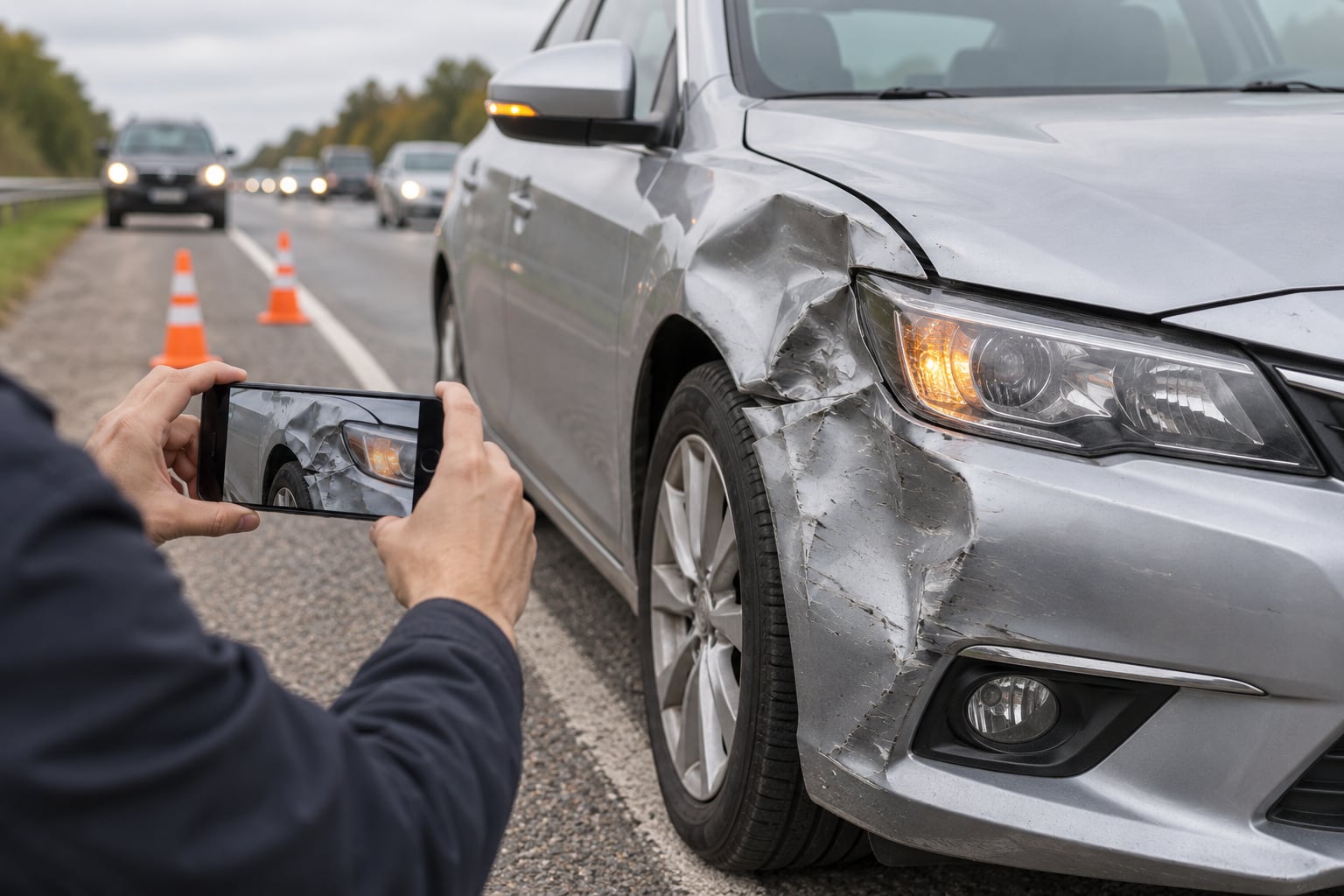
- A full photo set. Wide shots of both vehicles in place, then close-ups of each damaged panel, both license plates, the odometer, the road surface, and any debris. Take a short video walking around the car.
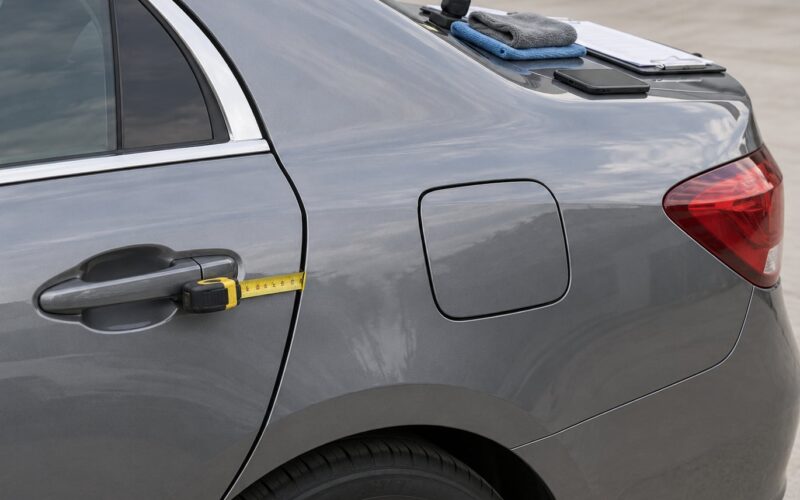
- Vehicle details. Year, make, model, VIN, plate number, colour, and exactly where the damage is. Adjusters photograph damaged areas rather than writing vague notes.
- The other driver’s information. Name, address, phone, plate, driver’s licence number, insurance company, policy number and the claims phone number on the card.
- A written repair estimate. Get one before deciding anything. It converts the decision from a guess into arithmetic.
- Medical notes if anything hurts. Whiplash and bruised ribs often show up a day or two later. Document the visit.
- Tow and roadside details. Where the car is, who is storing it, and the daily storage charges, since those start accruing quickly.
- One folder. Keep photos, documents, estimates and a dated log of every call in a single place. Call logs are how you catch a claim that has gone quiet.
Step-by-Step: How to Deal With Insurance After a Fender Bender
1. Make sure everyone is safe
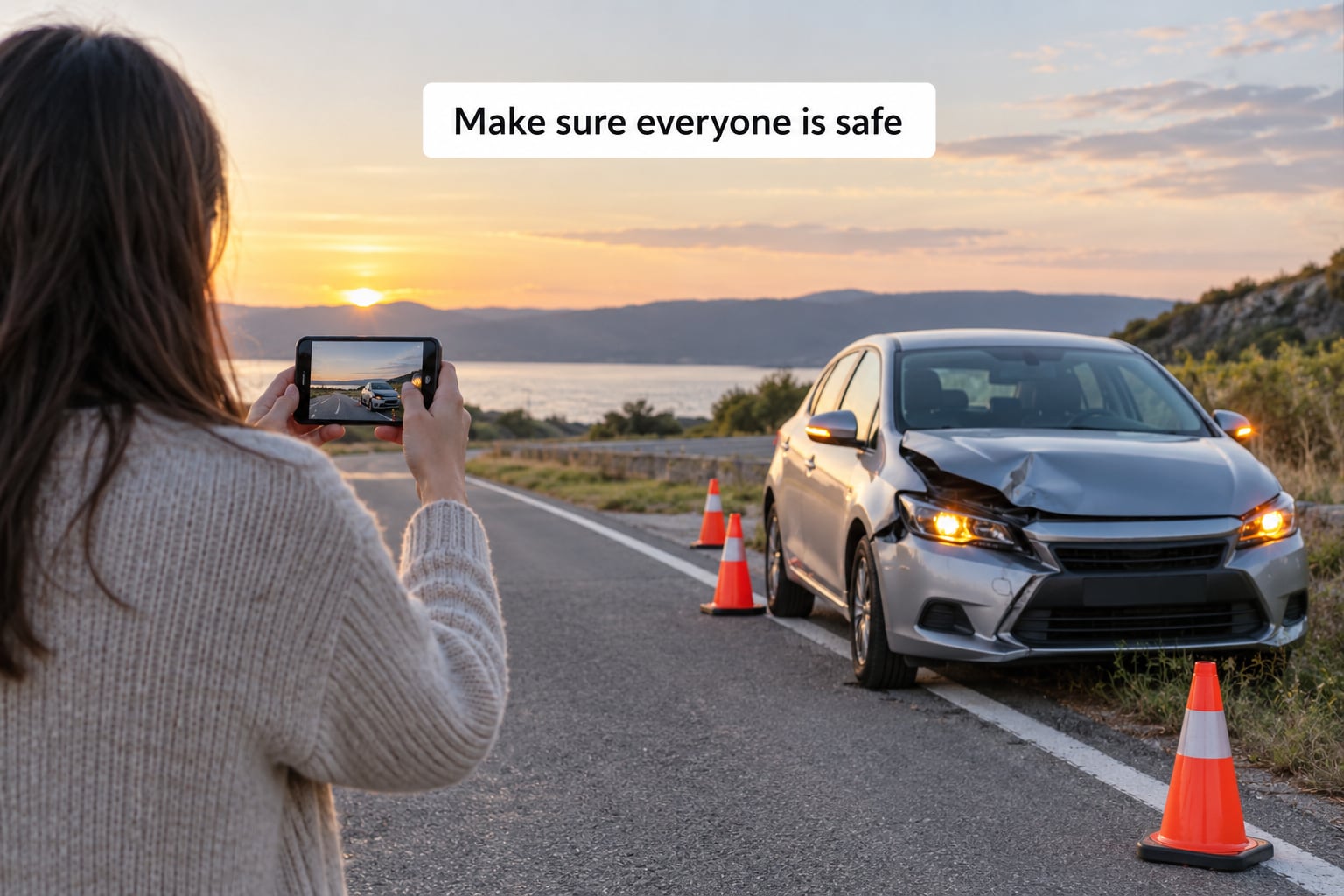
Move to a safe spot, turn on hazard lights, and get everyone out of the vehicle onto the shoulder or sidewalk. If a lane is blocked or anyone is hurt, call emergency services and wait for them.
Do not argue about fault at the scene, even when the other driver is angry and clearly wrong. Say that you are gathering information and that the insurance companies will sort out responsibility.
2. Document the fender bender
Photos beat memory in every claim dispute. Take them before anyone moves the cars, then take a second set after the vehicles are repositioned.
Include a wide shot that shows the position of both vehicles and the lane markings, because the story of who was in which lane matters to liability. Add a shot of the traffic signal or sign if one controls the intersection, and one of any road debris between the cars.
Write down the weather, the lighting and whether the sun was in your eyes. Low sun and standing water cause rear-end claims that are genuinely ambiguous, and knowing the conditions in the moment beats reconstructing them weeks later.
3. Contact your insurance company promptly
Most policies expect prompt notice, and the sooner you call, the smaller the gap between what happened and what gets written down. Aim for the same day, no later than 24 hours.
Have your policy number, the date, time and location of the crash, the drivers involved and the damage description ready. If the other driver gave you an insurance card, read the policy number and claims line straight off it.
If the crash involved someone else, give your carrier their details even if you plan to chase their insurer directly. Your own collision coverage can pay you first and then recover from the other carrier, which is usually faster than starting from zero.
4. Review the claim and cooperate with the insurer
You will get a claim number, the name of an adjuster, and a date. Keep all three. Answer questions plainly and stick to what you saw, felt and photographed.
Three phrases come up on almost every call. When asked how you are feeling, answer about symptoms only and describe them fully rather than minimising them. When asked whether you will give a recorded statement, you are entitled to decline; ask what is needed in writing instead. When asked to sign a medical authorisation form, read the scope first, because a blanket release can pull years of unrelated records.
Give them your estimate and your photos, then let them work. Bad-faith suspicion rarely comes from a routine property damage call.
5. Choose repairs and understand the payment process
You have the right to choose your own repair shop in most states, though some require you to notify the insurer of the choice. Declining the recommended shop usually costs you nothing except a slightly slower approval.
Here is the arithmetic that decides whether to file at all. Take your deductible and subtract it from the estimate. If what remains is small, the claim is not worth the rate history it creates, because the insurer pays nothing below the deductible anyway.
| Situation | What you pay | Effect on your rate | Best choice |
|---|---|---|---|
| Not at fault, other driver insured and identified | Nothing beyond any deductible in their policy | No change to your record | Claim against their liability coverage |
| Not at fault, you claim through your own collision coverage | Your deductible, then often refunded | Usually no increase; carriers recover from the other party | Fastest path to money |
| At fault, estimate well above your deductible | Your deductible | Increase lasting roughly two to five years | File the claim |
| At fault, estimate near or below your deductible | Everything | Increase with no payout from the insurer | Pay out of pocket |
| Single-vehicle scrape with no other party | Your deductible if comprehensive applies | Carries no fault record against a driver | Check the policy before deciding |
Expect the insurer to pay the shop directly and to collect your deductible from you, usually at the counter when the work is finished. That timing surprises people, so ask the shop in advance how it handles the deductible.
Rental reimbursement is usually a separate line in the policy with its own daily cap, often something like 15 to 30 dollars a day. Check yours early and ask for an extension in writing if repairs slip, because shops routinely underestimate teardown time.
6. Keep records until the claim is resolved
Log every call with a date, a time and the name of who you spoke to. Save every email, text and voicemail, plus the repair invoice and your receipt for the deductible.
If the adjuster finds damage the first estimate missed, that is normal. Ask for a supplement in writing rather than letting the shop start work that will not be covered.
If you go silent for two weeks with no update, call and ask for a status. If the offer looks low, you can negotiate using a competing written estimate and comparable recent sale prices for the same year and trim.
Common Mistakes
Admitting fault on the roadside. Say you are sorry and exchange information, then stop. Let the evidence assign responsibility.
Signing a release too early. A release signed before the full scope of damage is known can end the claim early. Read what you sign and ask about anything that waives further recovery.
Filing under the deductible. If the estimate is 600 dollars and your deductible is 500 dollars, the insurer pays nothing and your claim history still counts. Pay the shop instead.
Giving a recorded statement before the picture is complete. Recorded statements exist to find inconsistencies, and a spoken account is harder to revise than notes. You can decline and provide a written description.
Assuming the insurer covers everything. Rental, paint matching, ADAS camera calibration and storage fees often sit outside the base repair payment. Read the declarations page, not just the summary.
Letting the repair happen before the adjuster sees it. Starting work early can leave you paying for damage the insurer never assessed. Get the inspection or a photo-based approval first.
Ignoring late symptoms. Pain that shows up 48 hours later still belongs to the same claim, and untreated injuries can complicate the record. Get checked and keep the paperwork.
Frequently Asked Questions
How soon should I contact insurance after a fender bender?
As soon as possible, ideally the same day and no later than 24 hours. Most policies require prompt notice, and early notice keeps the account of the crash accurate while memories and photos are fresh. Call your own carrier first even if the other driver seems cooperative, because they can open the claim and tell you in minutes whether the damage clears your deductible.
Do I have to pay my deductible if the other driver was at fault?
Usually not. When another driver is at fault, their liability coverage pays, and your own collision deductible does not apply. If you file through your own collision coverage instead, you pay the deductible up front and your insurer generally reimburses it after recovering from the other carrier. The exception is deductibles you opted into for uninsured or underinsured motorist coverage, which are yours to pay.
Should I choose the repair shop recommended by my insurance?
It is optional in most states, though a few require you to notify your insurer when you pick another shop. The recommended network usually gets a faster estimate approval and direct payment, which can shorten your rental time. An independent shop sometimes costs less in labour but the insurer may dispute the rate. Get a written estimate either way before deciding.
Will my insurance cover a rental car after a minor accident?
Only if you carry rental reimbursement, which is optional in most states and has its own daily cap, often somewhere between 15 and 30 dollars. Collision coverage alone does not include a rental. Check the limit before the repair starts, and if the shop drags past the covered days, request an extension in writing before the rental runs out.
What happens if the other driver has no insurance?
Your own uninsured motorist coverage is the safety net, and most policies carry it, though it can be low or waived in some states. You would still file with your own carrier and use their deductibles. Without that coverage, the practical recovery is a civil claim against the driver, which is slow and often uncollectable. Report the accident to police promptly, since a hit-and-run report supports both paths.
Can the insurer declare my car a total loss after a fender bender?
Yes, if the repairs plus supplements approach a set percentage of the car’s actual cash value, often around 70 to 80 percent. A minor crash can trigger this when the car is old, the damage is structural, or ADAS camera calibration and sensor work push the estimate up. If a car is only a few thousand dollars, a bumper and paint job can cross that line. You can dispute the offer with comparable valuations.
Conclusion
Start with safety, then photographs, then information exchange, then a call to your insurer within 24 hours. Get one written repair estimate, compare it to your deductible, and file only when the numbers justify the claim on your record.
From there it is bookkeeping: dated call notes, saved emails, a request for any supplement in writing, and a rental extension before coverage runs out. That is the whole job, and it takes a few hours of attention rather than months of chasing.